
Follow West Liberty Nursing and Rehabilitation on Facebook! Click Here

To see a list of frequently asked questions please Click Here

West Liberty | Nursing & Rehabilitation

Latest News

Latest News

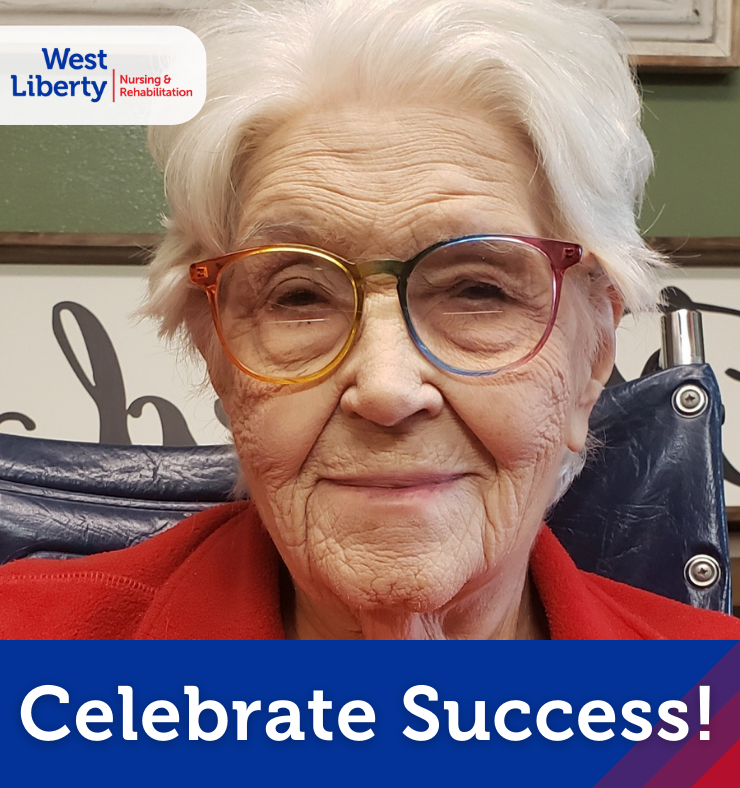
West Liberty Nursing and Rehabilitation is proud to share Audrey Pelfrey’s Success Story!

January 30, 2026

Ms. Pelfrey joined our community in need of short‑term rehabilitation services, and from the very beginning, she approached her recovery with determination and a positive spirit. With support from our dedicated interdisciplinary team, she worked hard each day to progress toward her goals.

Through her commitment to both Physical and Occupational Therapy, Ms. Pelfrey made remarkable strides—regaining strength, enhancing her mobility, and becoming more independent with her daily activities. Her hard work truly paid off as she successfully prepared for her transition back home to her community.

We are grateful to Ms. Pelfrey and her family for placing their trust in our team and allowing us to be a part of her recovery journey. Celebrating this milestone alongside her has been an honor.

Congratulations, Ms. Pelfrey! We wish you continued health, happiness, and success as you move forward.

Success Story: Ben Johnson

July 17, 2025

West Liberty Nursing and Rehabilitation is proud to share Resident Ben Johnson’s Success Story!

Ben was admitted to our community in March of this year and has shown nothing short of strength and perseverance throughout his journey. Despite facing significant health challenges, including a second amputation and multiple illnesses, Ben has continued to push forward with determination and courage!

With the support of our Physical and Occupational Therapy teams, Ben is now able to transfer with supervision using a sliding board and complete most of his daily living and bed mobility tasks with minimal assistance. He’s currently preparing to receive bilateral prosthetics and begin return-to-home training—a testament to the incredible progress he has made. Ben’s positive attitude, resilience, and hard work inspire everyone around him. We are so proud to be part of his journey and cannot wait to see all that he accomplishes!

Success Story: Kermit Ashley

March 26, 2025

West Liberty Nursing and Rehabilitation is thrilled to share Kermit Ashley’s incredible Success Story!

Since joining us in February after a stroke, Kermit has been working tirelessly with physical, occupational, and speech therapy to regain his strength and independence. His ultimate goal? To return home—and he’s making great strides toward it! We’re so excited to announce that as of March 14th, Kermit officially passed his swallow test and is now enjoying his well-earned apple pies! His dedication and determination inspire us all, and we couldn’t be more proud of his progress!

Resident Love Story: Cletis & Lanell McCarty

February 11, 2025

This Valentine’s Day, we celebrate 70 years of love, loyalty, and unwavering devotion between our residents, Cletis and Lanell McCarty. Their story is a beautiful testament to the power of love, commitment, and promises kept—a real-life Notebook that continues to inspire all who know them.

Their journey began through a simple introduction by Lanell’s relative, James. From the moment they met, it was clear their connection was something special. Their first date was a fun evening out to eat and run around together—an experience that sparked a lifetime of love.

When Cletis was called to serve in the Korean War, their bond was truly tested. As he left, Lanell made him a promise she would keep no matter what: she would wait for him. And wait she did. Throughout the war, Cletis received letter after letter from Lanell, each one filled with love, encouragement, and her steadfast belief that they would be reunited. When Cletis finally returned home, true to her word, Lanell was there, ready to start their life together.

In the years that followed, Cletis found small, meaningful ways to show his love for Lanell. One of his sweetest traditions was leaving little love notes for her on paper plates, telling her when he was going fishing. It was a simple gesture, but one that spoke volumes about his love and devotion to her. These small acts became a part of their story—reminders of how deeply they cared for each other.

As the years went on, Cletis and Lanell’s love continued to grow. They were blessed with nine children and built a life full of love, laughter, and family. Family traditions, like their cherished Sunday dinners, became the heart of their home, where everyone gathered to share meals, make memories, and celebrate their love for each other.

When Lanell’s health began to decline, Cletis stepped in to ensure their traditions lived on. He made sure the family continued to gather, and that their bond remained strong, even through the challenges they faced together.

Now, Cletis and Lanell reside together here at West Liberty Nursing and Rehab, living out their days side by side, just as they’ve always promised. Their love story, full of devotion, sacrifice, and unwavering commitment, continues to inspire everyone around them. They live out their lives with the one person they chose above all else, just as they did 70 years ago.

Through every challenge, they’ve remained each other’s greatest support, a constant reminder of the power of true love. Cletis and Lanell’s love has withstood the test of time, and their devotion to one another is a legacy that will live on forever.

Here’s to 70 years of love, commitment, and unwavering devotion. We are blessed to witness their incredible journey and to be reminded that true love is timeless. Happy Valentine’s Day, Cletis and Lanell!

Success Story: Linda Harris

February 7, 2025

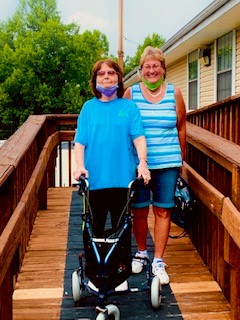
West Liberty Nursing and Rehabilitation is thrilled to share Linda Harris’ incredible journey of recovery!

After transferring to West Liberty Nursing & Rehab, Ms. Harris faced weakness and fatigue, requiring assistance for daily activities. Through her hard work and dedication, along with the support of Physical and Occupational Therapy, she has made remarkable progress! Today, Ms. Harris can perform most of her activities of daily living with little to no assistance and can walk up to 700 feet with a walker! She is grateful for the care and encouragement from our Care Team. Congratulations, Ms. Harris!

6 Tips to Stay Active This Winter

December 9, 2024

The winter season can be a challenging time to stay active, with colder temperatures, slippery conditions, and fewer daylight hours. But staying physically active is one of the best ways to improve your mental and physical health and keep on track with your fitness goals. Physical activity can help you sleep better and reduce anxiety. Regular physical activity also helps:

  • Improve your balance.
  • Lower your risk of type 2 diabetes and many kinds of cancer.
  • Strengthen bones and muscles.
  • Lower blood pressure.
  • Maintain or lose weight.
  • Keep your mind sharp as you get older.

Emerging research also suggests physical activity may help boost your immune function.

Experts recommend that adults get at least 150 minutes of moderate-intensity physical activity a week. Many activities count, such as walking, running, or wheelchair rolling. You can break that up into smaller amounts, such as 22 minutes daily, 30 minutes on 5 days a week, or what works for your schedule. It all counts.

Six tips to stay active during winter

  1. Take nature walks – Weather permitting, schedule time during the day to enjoy nature. Take a stroll around a safe neighborhood or park.
  2. Monitor the weather and plan ahead – Weather forecasts give several days’ notice to prepare your week. Be sure to monitor the weather, dress appropriately, and plan your winter activity accordingly.
  3. Wear layers – Wear several layers of comfortable clothing so that items can be removed easily as you become warmer. Layers will help guard against overheating, sweating, and eventually becoming colder.
  4. Workout online – Consider tuning into a TV, online, live Zoom, or Instagram workout class. Find free or low-cost exercise videos online to help you do aerobics, dance, stretch, and build strength.
  5. Do some chores –  When bad weather keeps you from going outside, look for ways to be physically active indoors. Housework such as vacuuming, sweeping, and cleaning all count towards your physical activity goals. And you’ll knock out some items on your to-do list while gaining health benefits. Walking or running up and down stairs in your home can be a great workout, too.
  6. Volunteer in active ways – Help others while helping yourself. Look for volunteer opportunities that involve physical activity, such as walking dogs for elderly neighbors or shoveling snow.

To learn more, please visit https://www.cdc.gov/physical-activity/features/stay-active-this-winter.html

Breast Cancer Awareness Month: What to Know

October 1, 2024

Other than skin cancer, breast cancer is the most common cancer among American women. For many women, mammograms are the best way to find breast cancer early, when it is easier to treat. Mammograms can find cancer before it is big enough to feel or cause symptoms.

Symptoms

There are different symptoms of breast cancer, and some people have no symptoms at all. Symptoms can include:

  • Any change in the size or the shape of the breast.
  • Pain in any area of the breast.
  • Nipple discharge other than breast milk (including blood).
  • A new lump in the breast or underarm.

If you have any signs that worry you, see your doctor right away.

Risk factors

Some main factors that affect your chance of getting breast cancer include:

How to lower your risk

You can do things to help lower your breast cancer risk.

  • Keep a healthy weight and be physically active.
  • Choose not to drink alcohol, or drink alcohol in moderation.
  • If you are taking hormone replacement therapy or birth control pills, ask your doctor about the risks.
  • Breastfeed your children, if possible.
Fast facts
  • Each year in the United States, about 270,000 women get breast cancer and 42,000 women die from the disease.
  • Men also get breast cancer, but it is not very common. About 1 out of every 100 breast cancers diagnosed in the United States is found in a man.
  • Most breast cancers are found in women who are 50 years old or older, but breast cancer also affects younger women.

To learn more, please visit https://www.cdc.gov/cancer/features/breast-cancer.html.

Success Story: Lanny Hall

July 25, 2024

West Liberty Nursing and Rehabilitation, in partnership with Reliant Rehabilitation, is excited to share resident Lanny Hall’s Success Story!

Lanny Hall has been a resident at West Liberty Nursing and Rehab Center since July 2023. When he arrived, he was unable to perform standard tasks or move without extensive help from at least two people. He could not walk or stand unsupported, making it impossible for him to return home at that time. Through his stay, Lanny diligently worked with physical, occupational, and speech therapists, making significant functional improvements! He can now complete daily tasks with only contact guard assistance and walks consistently for 600 feet, occasionally reaching up to 1,000 feet. Due to his therapy success, Mr. Hall has now returned home with his daughter! Mr. Hall states, “I am so proud of myself for making this much improvement. I cannot thank the therapy team here enough for what they have done for me. I can finally go home, and I cannot wait.” Congratulations to Lanny and his Care Team on their success!

Success Story: Lanny Hall

June 17, 2024

West Liberty Nursing and Rehabilitation is excited to share resident Lanny Hall’s Success Story!

Lanny came to West Liberty Nursing and Rehab on 07/24/2023. Upon admission, he was very weak and struggled to complete daily living tasks and ambulation. While working with Reliant Rehabilitation and our amazing Care Team members, Lanny successfully regained his strength and was able to return home safely! Lanny stated, “I want to thank the staff at West Liberty Nursing and Rehab for helping me through one of the toughest times of my life. I appreciate all the help of the staff and the good Lord. The staff were very helpful of my needs and my road to recovery. Without the help of the successful and caring staff I would not have been able to recover as quickly as I have. Therapy has insured that my mobility has been restored to enable me to return home.” Congratulations to Lanny and his Care Team on their success!

Providing Care to a Diverse Older Adult Population

April 22, 2024

Your patients bring diverse backgrounds, customs, abilities, and experiences to their health care. Some differences are apparent, while others are not. Factors that contribute to diversity include:

  • Geographic and cultural background
  • Race and ethnicity
  • Age
  • Gender identity, gender expression, and sexual orientation
  • Preferred language(s)
  • Religious and family traditions
  • Education and socioeconomic background
  • Neurodiversity
  • Cognitive, sensory, and physical abilities

Recognizing and appreciating diversity is an essential part of patient-centered care. It can lead to improved patient safety, more open communication, increased health equity, and better patient outcomes. By respecting each patient’s values and preferences, you’ll be more likely to engage them as collaborative partners in their care.

How is diversity related to health?

A patient’s culture and background will affect whether and where they seek health care, their understanding of medical information, and how they make health care decisions. Recognizing the different health issues your older patients are likely to face, as well as the factors that contribute to these differences, will help you provide the most effective care.

Many complex and interacting factors, lifelong and current, underlie disparities in health risk and disease burden. These factors include:

  • Unequal access to health care services
  • Availability of social support
  • Neighborhood and workplace environments
  • Food availability and accessibility
  • Wealth and income gaps
  • Racism, sexism, and other forms of discrimination

Age-related health disparities affect the health of older adults. For example:

Scientists have also observed sex and gender differences in health and longevity. For example, women live longer than men, on average. They are also more likely to develop osteoporosis or depressive symptoms and to report functional limitations as they age. Men, on the other hand, are more likely to develop heart disease, cancer, or diabetes.

Other studies have found that lower socioeconomic status is associated with poorer health and reduced lifespan in the United States. Economic circumstances can determine whether an individual can afford quality health care and proper nutrition from early life into old age. Financial resources and health insurance often determine whether an older adult enters an assisted living facility or nursing home or stays at home to be cared for by family members.

Health care workforce diversity is important

Providers representing a variety of backgrounds and cultures can help meet the health needs of an increasingly diverse population. Some patients feel more comfortable with health care providers who share or understand their language, race, ethnicity, or other cultural characteristics. Research suggests that a diverse health care workforce may also improve patient satisfaction, patient-clinician communication, and access to care.

Communicating with a diverse patient population

Your conversational style can be a subtle but powerful way to connect with your patients. Being thoughtful about how you communicate with each individual can promote understanding, trust, and satisfaction in the patient-provider relationship.

Practical tips for effective communication include:

  • Ask patients which name and other descriptive terms they prefer and use those consistently. This small effort can go a long way toward making patients feel welcome, safe, and accepted.
  • Use person-first language. This language avoids defining someone by their condition or disability (e.g., people with diabetes instead of diabetics).
  • Try to match your communication style to that of your patient. Conventions such as the speed and volume of speech vary across cultures. To some people, interrupting an individual who is speaking is acceptable and even expected, while it is considered rude and off-putting to others. 
  • Use plain language. Avoid using medical terminology or abbreviations that your patients might not understand. Remember that certain idioms and figures of speech in English may be unfamiliar or confusing to people who have a different primary language.
  • Be aware of nonverbal communication (such as hand gestures) that may have a different meaning to patients from different backgrounds. People also differ in the amount of eye contact, smiling, touching, and physical distance that are comfortable.

Tailoring how you talk with patients can help them better understand the information you are providing. Communicating in a way that makes your patients feel comfortable may help them open up about their health concerns and be more receptive to your guidance.

Providing language assistance in health care settings

Overcoming language barriers is critical for effective patient-provider communication. It allows for mutual understanding, informed decision-making, and better quality of care.

In any type of health care setting, you are likely to encounter patients with a primary language other than English. Here are several ways to support these patients:

  • Identify the main languages spoken by your patient population and, whenever possible, match patients with qualified bilingual staff or have other trained medical interpretation services available.
  • Start appointments by asking all new patients which language they prefer to speak and read, and whether they would like an interpreter. An “I Speak” card (PDF, 4.6M) can help patients identify their preferred language. Note preferences in their medical records.
  • Provide important written materials in your patients’ preferred languages. For example, have office signage, intake and consent forms, prescription labels, and patient instructions available in multiple languages when possible. NIA provides health information for older adults in both English and Spanish as well as links to resources in other languages.
  • Maintain a list of referrals to local clinicians and community service providers who speak your patients’ preferred languages, when available.

It can be logistically challenging to provide language assistance services. As a result, some clinicians rely on interpretation by patients’ family members or on bilingual staff members who are untrained in medical interpretation. However, experts strongly discourage this practice. An informal interpreter may be unable to convey medical terminology accurately, may inadvertently misinterpret information, or may be reluctant to share difficult news. Informal interpretation can also interfere with patient privacy.

Using qualified medical interpreters can improve communication, understanding, clinical outcomes, and patient satisfaction with care. Trained interpreters will help ensure that everything said during a medical appointment is relayed accurately and objectively. This checklist (PDF, 207K) provides tips for working with an interpreter.

Providing language assistance isn’t just good medical practice: In some cases, it’s also required by law. Federal policies require health care providers who receive government funds, such as Medicare and Medicaid payments, to make interpretive services and written translations of critical documents available at no cost to people with limited English proficiency. Visit LEP.gov for details about these requirements.

Some states have professional associations and foundations that may provide funding for medical interpreters. Additionally, Medicaid offers reimbursement for some medical interpretation services.

If you are looking for a qualified medical interpreter, the National Board of Certification for Medical Interpreters and the Certification Commission for Healthcare Interpreters have online registries of certified interpreters. The Registry of Interpreters for the Deaf provides a searchable list of certified interpreters in American Sign Language. Many state government websites also provide directories of interpreters and translators to help you locate services in your area.

Tips for culturally sensitive care

How can you work with your patients in a way that respects their diversity? To start, avoid making assumptions about a person’s beliefs, attitudes, or behaviors based on their culture or background. Instead, engage with patients to find out about their individual values and preferences.

Additional ideas for providing culturally sensitive care include:

  • Reflect on your own background, beliefs, and values, and consider how they inform your practice. For example, think about your own feelings about aging and how they might influence your interactions with your older patients.
  • Get to know the community that you serve. What are the most common racial and ethnic groups? Which languages do they speak? What health, social, and environmental issues do they face? Adapt programs and health care practices so they are appropriate to the groups you serve most often.
  • Recognize that a healthy diet plan may differ among cultural traditions. Patients will have difficulty following dietary advice if it doesn’t take their food preferences and cooking methods into account. The Nutrition.gov Culture and Food page provides nutrition guidance, food options, and recipes from around the world.
  • Understand that some patients may value having other family members involved in their health care decisions. Clarify how the patient sees the role of family and any specific information they want shared with relatives.
  • For patients nearing the end of life, ask about their health care goals. There may be cultural or religious differences in attitudes toward end-of-life decision-making, such as creating advance directives; disclosing a terminal diagnosis to the sick person or family members; and pursuing life-prolonging treatments, such as a feeding tube.

Different beliefs about aging

People from different cultures and traditions have varied attitudes about aging. For example, in some cultures, older adults are customarily respected for their wisdom and experience. Other cultures tend to be more youth-centered, valuing the qualities of youth over those of old age.

When societies prefer youth over old age, it can lead to ageism. This often underrecognized form of discrimination comprises stereotypes and prejudices directed toward people on the basis of their age. Ageism has serious implications for the health of older people: Studies have associated age-based discrimination with poorer physical and mental health, reduced quality of life, and even earlier death.

Because ageism is so pervasive, it’s easy for well-intentioned health care providers to make assumptions about their older patients and inadvertently reinforce harmful stereotypes. For example, patients and their providers may dismiss otherwise treatable health problems as an inevitable part of aging. As a result, older patients may suffer preventable discomfort and disability.

For tips on avoiding ageism when talking with your patients, see the World Health Organization’s Quick Guide to Avoid Ageism in Communication.

Clinical research needs diversity

It is important for clinical trials and studies to include a diverse range of participants so the results will have broader applicability. Researchers need older adults from many different backgrounds to participate in research so they can learn more about how new drugs, tests, and other interventions will work in diverse populations.

Clinical research also needs scientists from diverse backgrounds, particularly from groups that have been historically underrepresented. Diversity in scientific teams can lead to more creative and innovative thinking, which can help biomedical research represent and benefit people from all backgrounds.

To learn more, please visit https://www.nia.nih.gov/health/health-care-professionals-information/providing-care-diverse-older-adult-population.